
 Canada
 USA
 Japan


Paring vs Utility Knives for the Kitchen

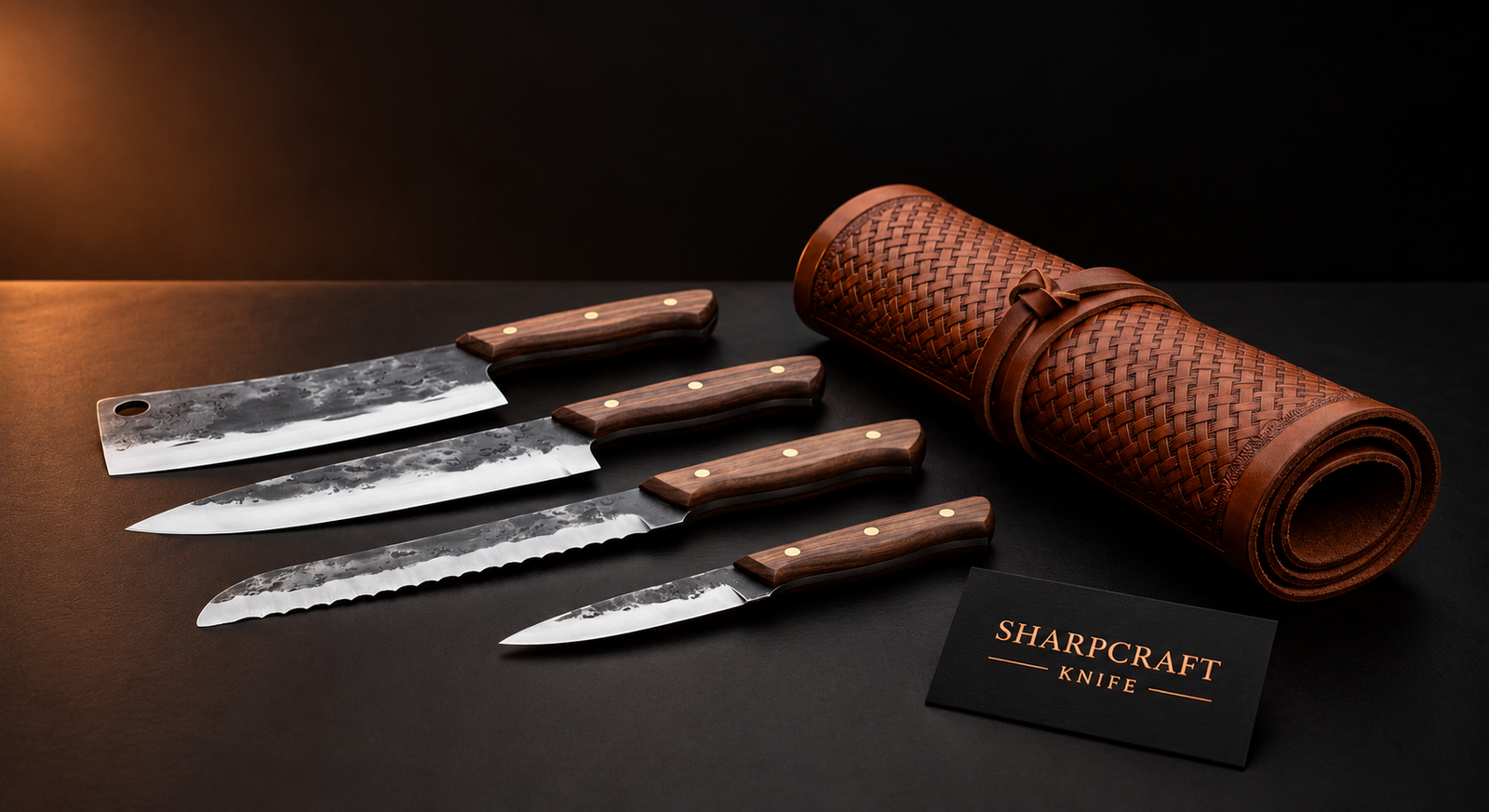
The smallest knife in a set is not automatically the same tool as every other short kitchen blade. Paring and utility knives occupy neighbouring roles, so a useful comparison starts with your food preparation rather than the number of pieces in the box. Choosing deliberately can help you fill a real gap instead of duplicating a knife you already use.
Understand the general distinction
WÜSTHOF describes its utility knives as smaller than a chef’s knife and larger than a paring knife. Its paring range focuses on detailed preparation, including peeling and trimming. These descriptions provide a starting vocabulary, not universal size boundaries for every manufacturer. Product names alone should not replace the dimensions and intended-use information for the exact piece.
Separate small detail work from intermediate preparation
List the jobs you want the new knife to cover. A request centred on small trimming tasks is different from wanting an intermediate blade for everyday preparation on a board. Describe the ingredients, the size of the portions and the preparation space you normally use. Then compare the supplier’s description with that routine.
If your existing small knife already does the detailed jobs you need, another similarly sized piece may offer little extra value. Conversely, choosing a larger set does not guarantee that it contains the particular smaller blade you want. Compare the role of each piece before considering matching handles.
Identify the smaller knife in Sharpcraft’s set
The Four-Piece Walnut Handle Kitchen Knife Set with Roll Bag describes a smaller pointed knife alongside other blade profiles. Its listing does not assign that piece a verified paring or utility classification. Ask the team to identify it and provide its dimensions and intended kitchen role rather than classifying it from the group photograph.
Compare edge type and handle separately
A short blade can still have different edge configurations. Read plain versus serrated kitchen edges if that distinction matters to your shortlist. Handle length and shape are separate considerations: a knife that looks compact in an image may have proportions that are different from your familiar tool.
For two candidates, request the same information for both: blade length, overall dimensions, edge type and recommended tasks. Label the product links clearly. This produces a comparison you can actually use, rather than two answers based on different assumptions.
Choose the missing role
Browse chef knife sets and kitchen knives and cutters. Use our piece-by-piece set inventory guide to keep the smaller knife identified in the final package. If only one role is missing, read single knife versus set planning before committing to a larger collection.
General references: WÜSTHOF utility knife explanation and paring knife range. Their model specifications are not Sharpcraft specifications.