
 Canada
 USA
 Japan


Single vs Double Bevel Kitchen Knives

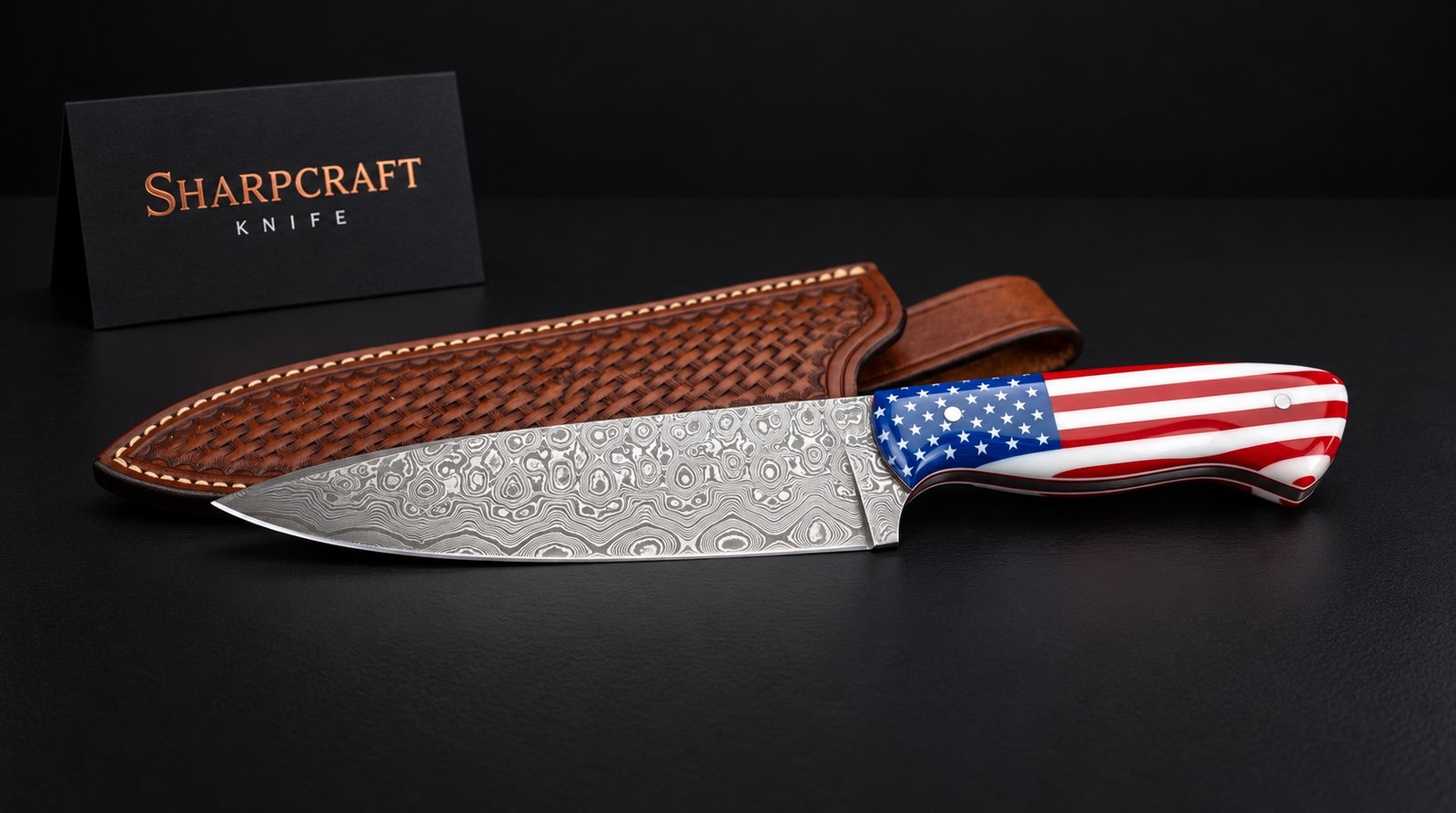
A kitchen knife can have a familiar outline while its cutting edge needs a different maintenance approach. The terms single bevel and double bevel describe the edge geometry, rather than the handle style or decorative blade pattern. Understanding that distinction helps you read a specification without assigning features that the seller has not confirmed.
What the terms mean
Shun’s series comparison explains that a double-bevel edge is sharpened on both sides, whereas a single-bevel edge is sharpened principally on one side. Its own sharpening guidance also notes that its single-bevel blades have a small micro-bevel on the back. The useful lesson is to obtain the complete maker-specific description instead of treating a short label as a full sharpening instruction.
Blade shape does not identify the bevel
A pointed tip, a broad blade or a Japanese-style handle does not establish which bevel arrangement is supplied. Likewise, a patterned blade surface is separate from the narrow geometry at the cutting edge. A side photograph can show the profile clearly while leaving the bevel specification unresolved.
The American Flag Handle Damascus Chef Knife is a real Sharpcraft reference for its patterned blade and resin handle. Its current listing does not specify the bevel arrangement. This article therefore does not classify it as single or double bevel.
Make handedness a separate question
Tell the supplier whether the intended user is left-handed or right-handed, then request confirmation that the exact edge and handle configuration suit that user. Do not infer suitability from a symmetrical-looking handle. For a custom order, keep handedness and bevel specification as separate entries in the agreed brief so neither is lost when appearance choices change.
Confirm before selecting maintenance equipment
Ask for the supplied edge arrangement, the recommended maintenance method and any applicable angle instructions. Another brand’s numerical angle is not a default for Sharpcraft. Our honing versus sharpening guide explains the maintenance jobs; it does not replace a specification for an unidentified edge.
For example, an enquiry can say: “Please confirm the bevel arrangement and suitability for a left-handed user for this product reference, and provide its maintenance instructions.” That is more precise than requesting a generic Japanese sharpening setup based on the knife’s appearance.
Compare the right information
Browse kitchen knives and cutters and keep edge geometry alongside confirmed dimensions and intended tasks. Read plain versus serrated edges for a different distinction: the cutting line’s teeth or continuity, rather than the bevel arrangement.
Technical references: Shun series comparison and Shun sharpening guidance. Their product specifications are not attributed to Sharpcraft.